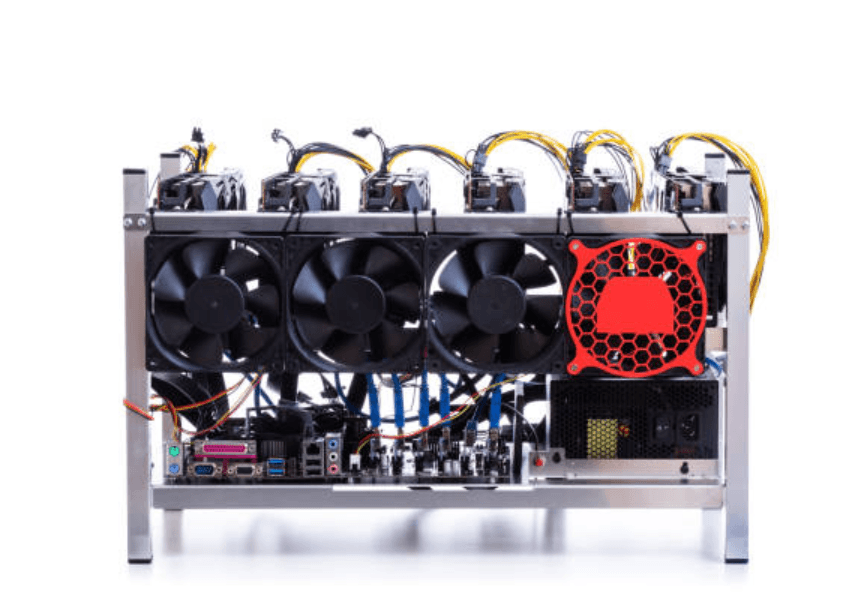
ByJohn A
GPU Server Price A Complete Guide to Costs, Features, and Choosing the Right Solution
As artificial intelligence, machine learning, data analytics, and high performance computing continue to transform industries, organizations are investing heavily in GPU servers to accelerate workloads. Whether you are training large language models, rendering 3D graphics, running scientific simulations, or processing massive datasets, GPU servers deliver exceptional computing power that traditional CPU based systems cannot match.
One of the most common questions businesses ask is, “What determines GPU server price?” The answer is more complex than looking at a single number. GPU server price depends on several factors, including the type of GPUs, processor specifications, memory capacity, storage options, networking, cooling systems, expansion capabilities, and overall server architecture.
Understanding these factors helps organizations make informed purchasing decisions and maximize return on investment. This guide explores everything you need to know about GPU server price, including the factors that affect costs, pricing examples, industry use cases, and tips for choosing the right server for your business.
What Is a GPU Server?
A GPU server is a specialized computing system equipped with one or more Graphics Processing Units (GPUs). Unlike CPUs that handle sequential tasks efficiently, GPUs contain thousands of processing cores capable of handling parallel computations simultaneously.
Modern GPU servers are widely used for:
- Artificial intelligence
- Machine learning
- Deep learning
- Scientific computing
- Video rendering
- Virtual desktop infrastructure
- Engineering simulations
- Big data analytics
- Financial modeling
- Medical imaging
Businesses ranging from startups to enterprise organizations rely on GPU servers to reduce processing time and improve operational efficiency.
Why GPU Server Price Varies So Much
One reason GPU server price differs significantly is that every deployment has different performance requirements. Entry level GPU servers may cost only a few thousand dollars, while enterprise AI systems can cost well over six figures.
Several components contribute to the overall price.
Type of GPU
The graphics card is the single biggest factor affecting GPU server price.
Entry level GPUs are suitable for:
- CAD applications
- Video editing
- Basic AI projects
Mid range GPUs support:
- Machine learning
- Rendering
- Data analytics
- Research
Enterprise GPUs provide:
- Large AI model training
- Multi user virtualization
- High performance computing
- Large scale inference
Professional GPUs include larger memory capacity, ECC memory support, higher reliability, and optimized drivers.
Number of GPUs
GPU servers may include:
- 1 GPU
- 2 GPUs
- 4 GPUs
- 8 GPUs
- More than 8 GPUs in specialized systems
The more GPUs installed, the higher the GPU server price. However, organizations also gain significantly more computational performance.
For example:
Single GPU servers are ideal for development.
Dual GPU systems suit growing AI teams.
Four GPU servers support medium sized enterprise workloads.
Eight GPU servers are designed for demanding deep learning applications.
CPU Configuration
Although GPUs perform the majority of AI computations, CPUs still manage operating systems, networking, storage, and workload scheduling.
Higher core count processors increase performance while also increasing GPU server price.
Organizations commonly select:
- Dual socket processors
- High core count CPUs
- Large cache sizes
Balanced CPU and GPU configurations prevent bottlenecks.
Memory Capacity
Large AI models require significant system memory.
Common RAM configurations include:
| Workload | Recommended Memory |
| Development | 64 GB |
| Machine Learning | 128 GB |
| AI Training | 256 GB |
| Enterprise AI | 512 GB to 2 TB |
Increasing memory capacity naturally raises GPU server price.
Storage Configuration
Storage affects both performance and reliability.
Popular options include:
- NVMe SSDs
- SATA SSDs
- Enterprise HDDs
- RAID arrays
AI workloads benefit greatly from fast NVMe drives because they reduce data loading times.
Networking Speed
Large AI clusters require high bandwidth networking.
Common options include:
- 10Gb Ethernet
- 25Gb Ethernet
- 100Gb Ethernet
- InfiniBand
Advanced networking hardware contributes to a higher GPU server price while improving communication between distributed systems.
Cooling Technology
Powerful GPUs generate substantial heat.
Manufacturers use:
- High airflow cooling
- Advanced fan systems
- Liquid cooling
- Optimized chassis airflow
Better cooling improves reliability and performance but also increases cost.
Typical GPU Server Price Ranges
Although prices vary by manufacturer and configuration, the following estimates provide a general idea.
| Configuration | Estimated Price Range |
| Single GPU server | $3,000 to $8,000 |
| Dual GPU server | $8,000 to $20,000 |
| Four GPU server | $20,000 to $50,000 |
| Eight GPU server | $50,000 to $150,000+ |
| Enterprise AI systems | $150,000 to $500,000+ |
These estimates depend on GPU selection, processor specifications, storage, and memory.
Factors Beyond Hardware That Affect GPU Server Price
Many buyers focus only on hardware, but several additional costs influence total ownership.
Operating System
Organizations may require:
- Linux
- Windows Server
- Virtualization platforms
Licensing costs vary depending on deployment.
AI Software
Popular AI frameworks are free, but enterprise software often requires licensing.
Examples include:
- Commercial machine learning platforms
- Enterprise virtualization
- Container orchestration tools
- Monitoring software
Warranty and Support
Premium support plans include:
- Onsite service
- 24 hour technical support
- Hardware replacement
- Firmware updates
Longer warranties increase the initial GPU server price but reduce downtime.
Rack Infrastructure
Enterprise deployments may also require:
- Server racks
- UPS systems
- Power distribution units
- Network switches
- Cooling upgrades
Infrastructure costs should be included in budgeting.
GPU Server Price by Business Size
Small Businesses
Smaller organizations often begin with:
- One GPU
- Moderate memory
- Limited storage
These servers support application development, AI testing, and rendering without excessive investment.
Medium Sized Businesses
Growing organizations typically require:
- Dual CPUs
- Multiple GPUs
- Larger RAM
- Faster networking
This configuration balances scalability with affordability.
Enterprise Organizations
Large enterprises deploy:
- Multiple GPU servers
- High speed clusters
- Enterprise storage
- Redundant networking
Although GPU server price is significantly higher, these systems provide exceptional computational capabilities.
Practical Examples
AI Startup
A startup developing computer vision software may begin with:
- One professional GPU
- 128 GB RAM
- Dual NVMe drives
This allows engineers to train models efficiently while keeping infrastructure costs manageable.
Animation Studio
A rendering company may deploy four GPU servers equipped with multiple graphics cards to reduce rendering times from several days to just a few hours.
Although GPU server price is substantial, productivity gains justify the investment.
Healthcare Research
Medical researchers processing imaging data often require:
- Large GPU memory
- High speed storage
- Reliable redundancy
The faster analysis enables quicker diagnoses and improved research outcomes.
Financial Services
Investment firms perform:
- Risk modeling
- Algorithmic trading
- Market simulations
GPU acceleration dramatically shortens calculation times and enables faster decision making.
Cloud GPU vs Purchasing a GPU Server
Organizations frequently compare buying hardware with renting cloud GPU resources.
Purchasing
Advantages:
- Full ownership
- Predictable long term costs
- Better data security
- Maximum customization
Disadvantages:
- Higher upfront investment
- Hardware maintenance
- Infrastructure management
Cloud GPU Services
Advantages:
- Pay as you use
- Rapid deployment
- Easy scalability
Disadvantages:
- Ongoing operational expenses
- Variable monthly costs
- Potential data transfer limitations
Businesses with continuous AI workloads often find purchasing more economical over time despite the higher GPU server price.
How to Reduce GPU Server Price Without Sacrificing Performance
Several strategies help organizations optimize costs.
Choose only the GPUs you currently need
Avoid purchasing excessive GPU capacity for future workloads.
Upgrade memory later
Many servers allow RAM expansion as workloads increase.
Use scalable chassis
Expandable systems reduce replacement costs.
Optimize storage
Select fast storage only where performance is critical.
See also: How Technology Is Changing the Future of Shopping
Compare total ownership costs
Maintenance, energy usage, and warranty should be considered alongside initial GPU server price.
Common Mistakes Buyers Make
Many organizations spend more than necessary due to poor planning.
Common mistakes include:
- Buying excessive GPU capacity
- Ignoring power requirements
- Underestimating cooling needs
- Selecting insufficient RAM
- Overlooking networking performance
- Choosing consumer GPUs for enterprise workloads
Careful planning avoids expensive upgrades later.
Questions to Ask Before Buying
Before selecting a GPU server, ask:
- What applications will run on the server?
- How many users will access it?
- How much GPU memory is required?
- Will future expansion be necessary?
- What networking speeds are needed?
- What is the available power budget?
- What support level is required?
These questions help identify the best balance between performance and GPU server price.
Future Trends Affecting GPU Server Price
The GPU server market continues evolving rapidly.
Emerging trends include:
- AI optimized hardware
- More energy efficient GPUs
- Higher bandwidth memory
- Faster interconnect technologies
- Improved liquid cooling
- Greater server density
While next generation GPUs may initially command premium pricing, increased competition and technological advancements are expected to provide more options across different budget levels.
Choosing the Right GPU Server Vendor
A reliable vendor offers more than hardware.
Look for providers that deliver:
- Hardware customization
- Technical consultation
- Deployment assistance
- Long term support
- Upgrade options
- Warranty services
- Performance optimization
Working with an experienced supplier ensures that your investment aligns with business objectives.
Conclusion
Understanding GPU server price involves much more than comparing hardware specifications. The total cost depends on GPU models, processor performance, memory, storage, networking, cooling, software, and long term support. Organizations should evaluate both current workloads and future growth before making a purchase. By carefully assessing performance requirements and selecting scalable hardware, businesses can maximize productivity while controlling infrastructure costs. Whether you are building an AI research platform, accelerating engineering simulations, or supporting enterprise analytics, choosing the right GPU server is a strategic investment that delivers long term value. For expert guidance in selecting the ideal configuration at the best GPU server price, contact us.