ByJohn A
How to Reduce Household Dust and Improve Indoor Air Quality
Why Household Dust Deserves Attention
Household dust is rarely just one thing. It’s actually a blend of tracked-in soil, fabric fibers, pollen, skin flakes, pet dander, and whatever else happens to settle on surfaces or drift through the air. The point of dust control isn’t to achieve some pristine, dust-free home—that’s simply not realistic—but to cut down on how much accumulates and how much gets kicked up into the air during everyday activity. A cordless vacuum can certainly help with floors and upholstered furniture, but it’s just one piece of a larger puzzle that also includes damp cleaning, decent ventilation, cutting off dust at the source, and keeping your equipment in good working order. No single gadget or product substitutes for consistent habits, and managing dust effectively really comes down to understanding where it originates and how it travels through your home.
What Household Dust Contains and Where It Accumulates
Dust sources differ from one household to the next, but common culprits include outdoor soil and pollen carried in on shoes and clothing, fibers shed from carpets and bedding, skin cells and pet dander, and particles kicked up by cooking, candles, or renovation work.
Dust-spotting checklist—areas worth checking regularly:
- Entryways and the floor just inside doors
- Baseboards, blinds, and shelving
- Upholstered furniture and bedding
- Under beds and behind large furniture
- Vents and registers (visible dust here doesn’t automatically mean the ducts need professional cleaning)
Figuring out where dust tends to pile up is often more useful than cleaning the same spots over and over without ever adjusting the habits that generate it in the first place.
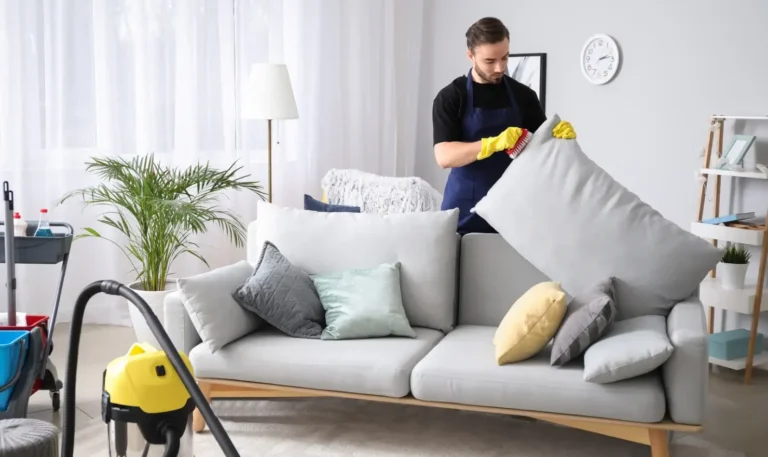
See also: Sofa Cleaning Dubai for Fresh Upholstery and a Cleaner Living Space
Reduce Dust at the Source
Cutting dust off at the source should come before leaning entirely on cleaning to manage it. Durable entrance mats, taking shoes off indoors, and washing bedding and pet items on a regular basis all limit how much material makes it into the home to begin with. Keeping windows shut during high-pollen stretches, cutting back on clutter, and dealing with moisture problems right away also help—persistent dampness has a way of contributing to other indoor-air issues besides dust. Running exhaust ventilation while cooking cuts down on airborne particles too.
Take a busy entryway as an example: a household that adds a sturdy mat and asks guests to remove their shoes often ends up with noticeably less dust reaching the living room than one that just vacuums the same floor more often. Results will vary depending on flooring type, pets, climate, and household routines, but source reduction generally lightens the load of ongoing cleaning.
Clean Different Surfaces Using the Right Method
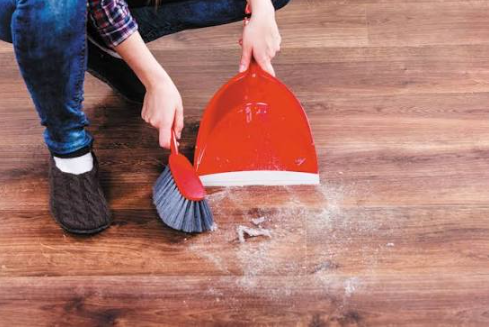
Damp methods work best for settled dust on hard floors and furniture, since moisture keeps particles from getting stirred back into the air. Work from higher surfaces downward so that whatever gets loosened ends up on the floor last, where it’s captured. Skip dry dusting or vigorous sweeping if limiting airborne particles is the goal, and always follow manufacturer instructions when dealing with wood, stone, or electronic surfaces.
For carpets, rugs, and upholstery, vacuum slowly and methodically—especially in high-traffic areas—using the right attachments for edges, stairs, and upholstery. Keep filters and dust containers maintained according to the manufacturer’s instructions, since a clogged filter or an overfull container will drag down performance no matter how well the vacuum is rated. Filtration quality is only part of the equation; sealing, airflow, and brush design all play a role in how well a vacuum actually performs. The U.S. Environmental Protection Agency notes that vacuuming can temporarily stir dust into the air, and that higher-efficiency filtration may reduce the amount of fine particles released through the exhaust.
Key takeaway: Consistent, targeted cleaning generally beats occasional deep-cleaning binges.
A Practical Weekly Dust-Control Routine
- Entryways: Clean mats and vacuum or damp-clean the surrounding floor.
- Bedrooms: Wash bedding, vacuum carpets, and clean under beds where accessible.
- Living areas: Vacuum floors and upholstery, then damp-wipe exposed surfaces.
- Kitchen: Clean floors, remove cooking residue, and ventilate during cooking.
- Pet areas: Wash bedding and remove accumulated hair and dander.
- Less-used areas: Rotate attention to corners, cabinet tops, and blinds.
How to Clean More Safely if You Have Allergies or Asthma
Cleaning can temporarily stir particles into the air, including settled dust and biological material that’s been sitting undisturbed. Anyone sensitive to dust might prefer to step out of the room while vacuuming, or hand the task off to another household member. Improving ventilation when outdoor air quality cooperates, and wearing respiratory protection during unusually dusty jobs like post-renovation cleanup, may help cut down exposure. These steps can help, but they’re no guarantee against symptoms. Anyone dealing with persistent respiratory issues should check in with a qualified healthcare professional rather than relying on cleaning routines alone to solve the problem.
Common Dust-Cleaning Mistakes to Avoid
- Avoid this: Dry-dusting surfaces. Do this instead: Use a damp cloth to trap particles.
- Avoid this: Vacuuming quickly and skipping edges. Do this instead: Move slowly and use attachments for corners and upholstery.
- Avoid this: Scheduling duct cleaning just because of ordinary dust. Do this instead: Address ducts only when there’s a specific, identified need.
Neglected filters, overstuffed containers, and reaching for harsh chemicals when a damp cloth would do the job just as well are also common missteps worth watching for.
How to Judge Whether Your Routine Is Working
Keep an eye on dust accumulation in the same spots over several weeks, and notice whether entryways or pet areas start needing less intensive cleaning over time. If cleaning consistently leaves behind a visible haze, odds are the method is redistributing dust rather than actually removing it. No routine eliminates every allergen, so a visibly clean home shouldn’t be mistaken for proof that the air inside is free of pollutants. Persistent odors, dampness, or irritation may be worth investigating further as separate indoor-air-quality concerns.
Build a Sustainable Dust-Control Habit
Reducing household dust really comes down to a handful of core principles: limit what comes in at the door, use damp methods on hard surfaces, vacuum soft surfaces with care, keep equipment maintained, and limit your own exposure while cleaning. Since every home is different in terms of flooring, pets, and how sensitive the occupants are, the right schedule will look a little different for everyone. Start by picking two high-impact changes—say, tightening up entryway control and settling into a consistent weekly routine—and reassess after a few weeks to see what’s actually making a difference in your space.